Explore
Move slowly enough to notice what changes. Fast, repeated stretching can hide small differences in range from one side of the body to the other.
Use focused mobility work to explore comfortable positions, prepare a session and maintain confidence in everyday movement. The guide explains terms, selection and a simple way to keep notes for adults aged 35 and above.
Connect mobility to training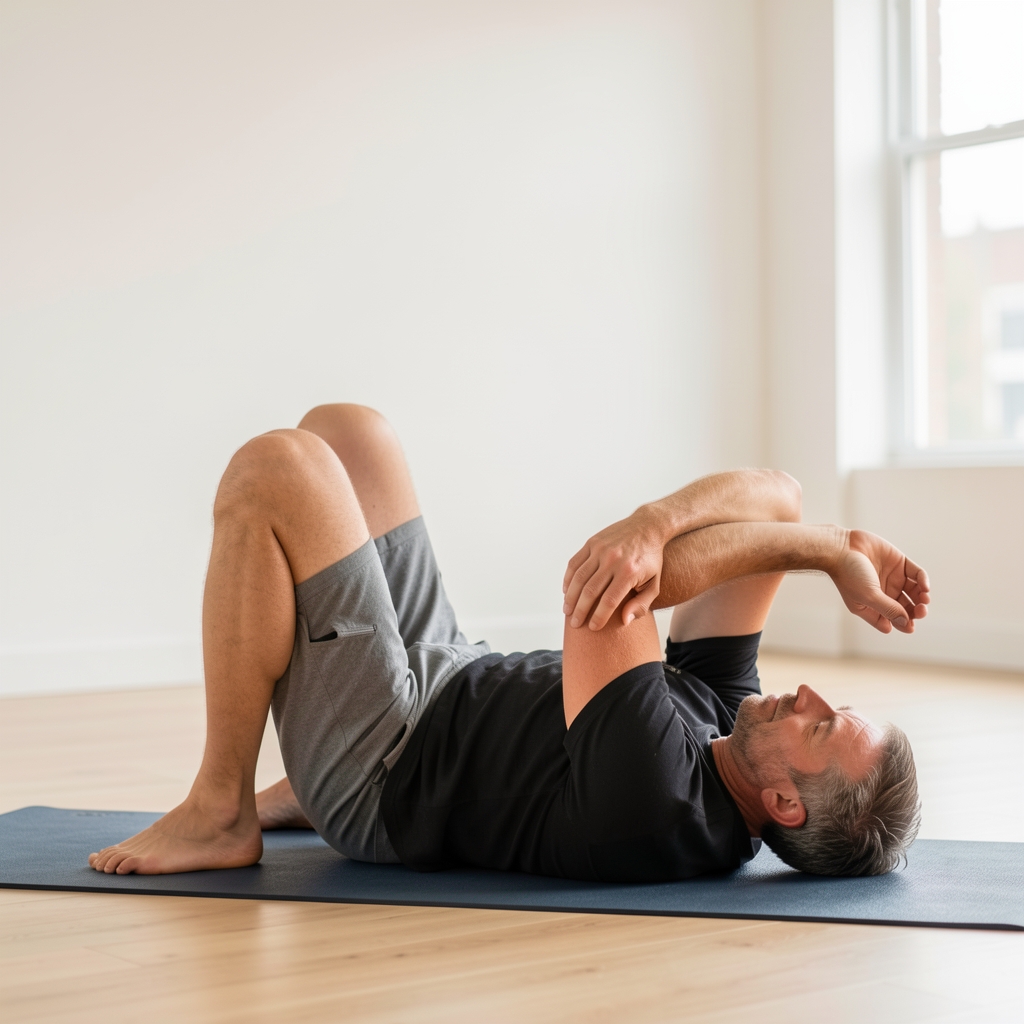
Mobility vocabulary is often used loosely. The short definitions below keep the rest of the guide consistent.
The distance and direction a joint can move. It can be measured passively, when another person or object moves the limb, or actively, when the person moves it alone.
The ability to guide a joint through a range using your own muscles. Control within a range is what tends to matter in a loaded movement such as a squat.
The capacity of muscles and connective tissues to lengthen. It contributes to mobility but is only one piece of it, alongside joint shape and nervous-system control.
A short sequence that raises body temperature and rehearses positions needed in the session. It is specific to the day rather than a fixed ritual.
How much load a muscle, tendon or joint can handle at present. It changes slowly with training and can be reduced by illness, poor sleep or a sudden jump in volume.
A subjective sense of tightness. It may change with the time of day, temperature and recent activity, and it is not always a sign that a joint lacks range.
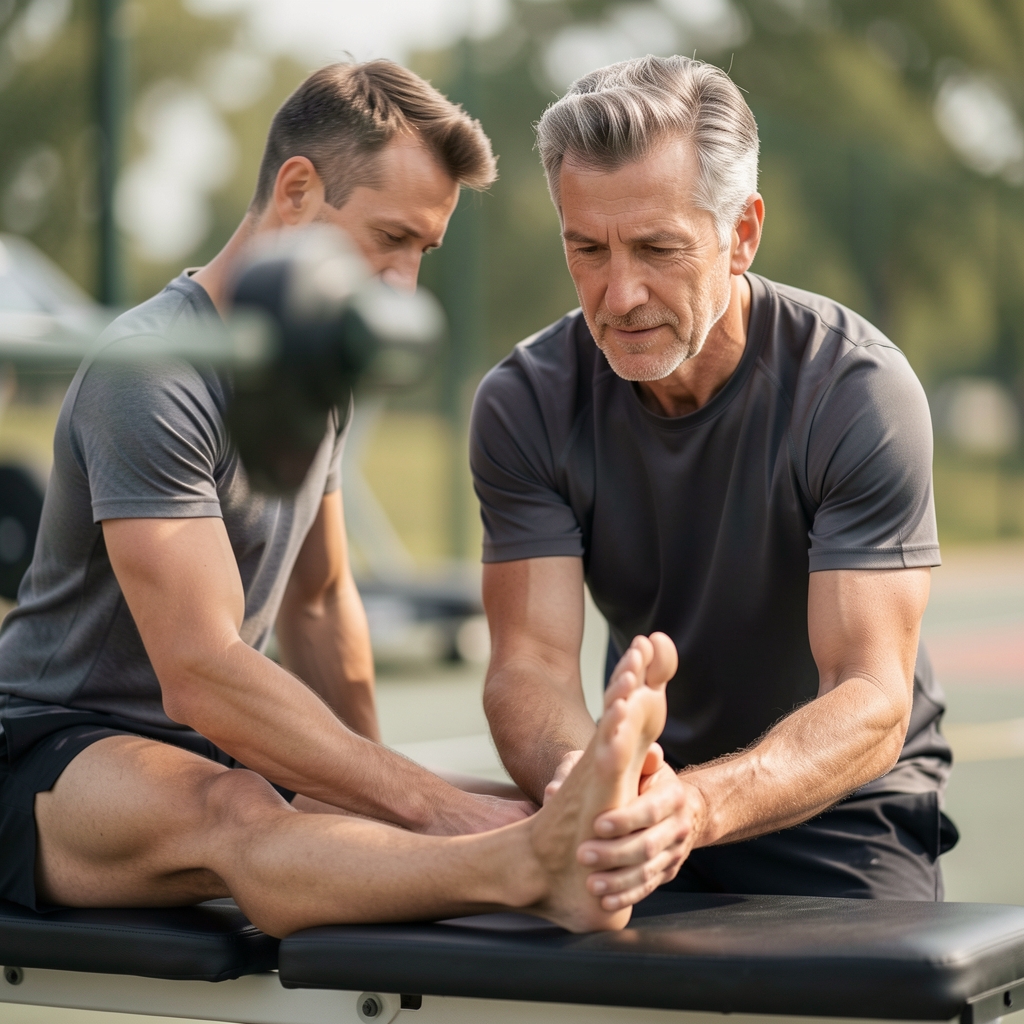
A useful drill relates to the positions, ranges or sensations that will matter later in the session. It does not need to be elaborate to be valuable.
Before a run, for example, the ankles, hips and calves are relevant. Before a deadlift, hip hinge patterns and thoracic extension are more relevant. A small number of movements, performed slowly and with attention, usually tells a reader more than a long list performed quickly.
The table offers example movement families for common session types. It is a starting point for discussion with a coach or physiotherapist, not a fixed prescription.
| Session type | Areas often relevant | Example preparation | Suggested duration |
|---|---|---|---|
| Easy running or cycling | Ankles, hips, calves | Ankle rocks, gentle leg swings, bodyweight hip hinge | 5–8 minutes |
| Lower-body strength | Hips, knees, ankles, trunk | Goblet squat hold, hip bridge, split-stance reach | 8–10 minutes |
| Upper-body strength | Shoulders, thoracic spine, wrists | Wall slides, thoracic rotation, scapular push-ups | 6–8 minutes |
| Walking or hiking | Hips, feet, calves | Calf raises, short brisk steps before settling into pace | 3–5 minutes |
| Rest day | Whatever feels stiff | Slow, easy movement through comfortable ranges | 10–15 minutes |
“Mobility is not a performance. It is a short conversation with the body about what will be asked of it today, and a record of how it answered.”
— Palmus editorial note
The checklist below is for your own use while reading and is not saved. It describes habits that help a mobility routine stay short enough to repeat.
See the recovery guideMove slowly enough to notice what changes. Fast, repeated stretching can hide small differences in range from one side of the body to the other.
Choose a few movements connected to the day’s work. The aim is to rehearse positions, not to exhaust the muscles before the session starts.
Keep useful drills in the routine long enough to learn from them. A routine that is changed every week produces little information about what is helping.
Persistent joint pain, numbness, tingling, swelling or a sudden loss of range are reasons to speak with a qualified health professional such as a physician or physiotherapist. This guide is educational and is not a diagnosis or a rehabilitation plan. See the disclaimer for more.