Start easy
Use an effort that leaves room for controlled breathing and a clear observation of how the body responds. Early sessions are for learning what comfortable feels like in your own body.
Learn how pace, breathing, duration and recovery can be read together when planning steady aerobic sessions. The guide is written for adults aged 35 and above and keeps the focus on observation, not on dramatic targets.
Suggest a topic
Aerobic training can be described with three simple habits. Each is easy to start and easy to record, which makes it suitable for anyone who prefers to learn from their own notes.
Use an effort that leaves room for controlled breathing and a clear observation of how the body responds. Early sessions are for learning what comfortable feels like in your own body.
Adaptation is easier to interpret when sessions occur with a stable rhythm across several weeks. Three short sessions are easier to compare than one long and one very short.
Record sleep, heat, stress and soreness so the number has useful context. A pace figure on a hot, humid Jakarta afternoon means something different from the same figure at dawn.
Effort is a continuum, but three broad bands make notes easier to compare. The cues are approximate and differ between people, so treat them as vocabulary rather than as targets.
| Band | Talk test | Perceived exertion (1–10) | Typical role in a week |
|---|---|---|---|
| Easy | Full sentences with ease | 2–4 | Most aerobic minutes, including recovery-day sessions. |
| Moderate | Short sentences, breathing is clearly raised | 5–6 | Steady sessions that feel purposeful yet repeatable. |
| Hard | Only a few words at a time | 7–8 | Occasional efforts, chosen carefully and kept short. |
Heart-rate figures can supplement this table, but zone estimates based on age formulas carry wide individual error. If you use a monitor, compare its readings with the talk test and perceived exertion so that no single number decides the session.
The outline below illustrates how duration can be increased cautiously. It is an educational example, not a personal plan, and many readers will need to move more slowly.
Three easy sessions of 20 to 30 minutes, such as brisk walking, easy cycling or light jogging. Record effort and the next morning’s feeling.
If the first fortnight felt ordinary, lengthen one session by about five minutes. Keep the other two sessions unchanged.
Repeat the longer session once more and add a short moderate segment inside one outing if it feels comfortable. Review the six weeks in writing.
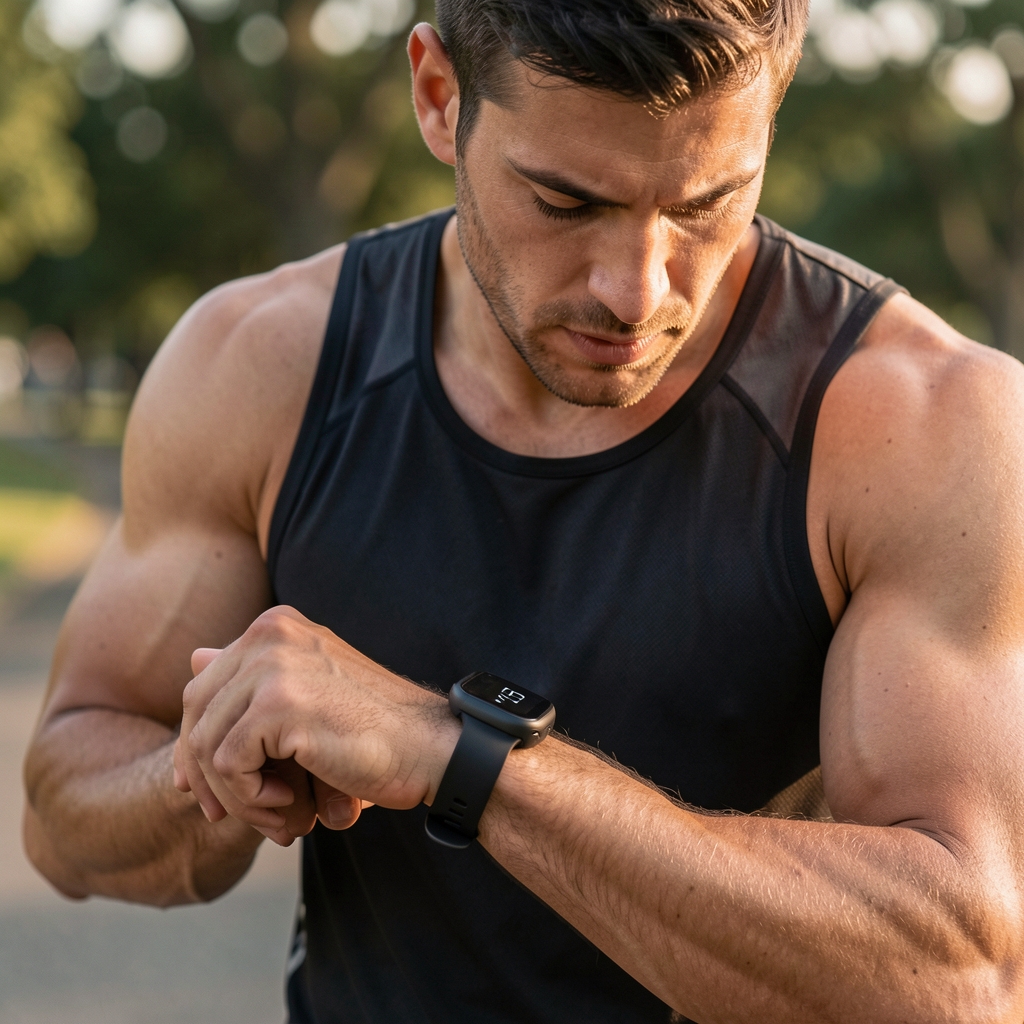
A pace that is moderate for one person may be demanding for another. Use broad guidance as a starting point, then pay attention to response and professional advice.
Fitness history, body size, medication, heat acclimatization and sleep all affect how a given pace feels. For that reason, comparisons with friends or with published average paces are rarely helpful. Comparing yourself with your own last month is more informative, and it keeps the conversation with a coach or physician specific.
The full list is on the glossary page. These four terms appear most often in this guide.
The steady, lower-intensity capacity that supports longer sessions and repeated efforts across a training week.
An estimate of the highest rate at which the body can use oxygen during hard exercise. Watch estimates and laboratory results can differ.
A range of beats per minute used to describe effort. Zones are estimates and are most useful when matched with perceived effort.
A gradual rise in heart rate during steady exercise at a fixed pace, often seen in heat or when hydration is low.
Chest pain or pressure, fainting, a racing or irregular heartbeat, or unusual shortness of breath during exercise are reasons to stop and contact a qualified health professional. Adults who are new to exercise, or who live with a heart or metabolic condition, should seek individual advice first. The content here is educational; read the disclaimer and the endurance field notes for related guidance.