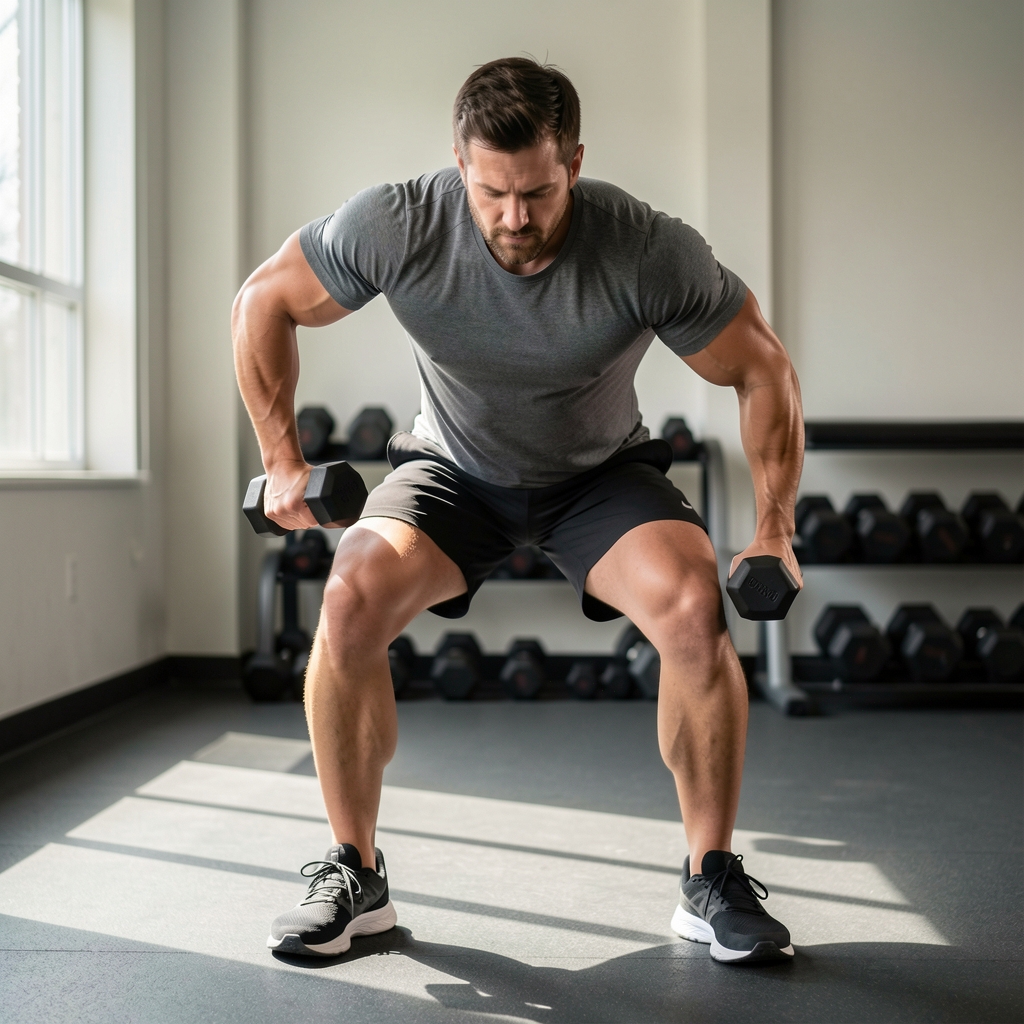
Palmus journal · 2026

Articles for informed training conversations.

Browse explainers, field notes and practical guides across endurance, strength, mobility, recovery and measurement. Each piece separates what research describes from what a reader might reasonably try, and says plainly where individual advice is needed.

Start with the guide
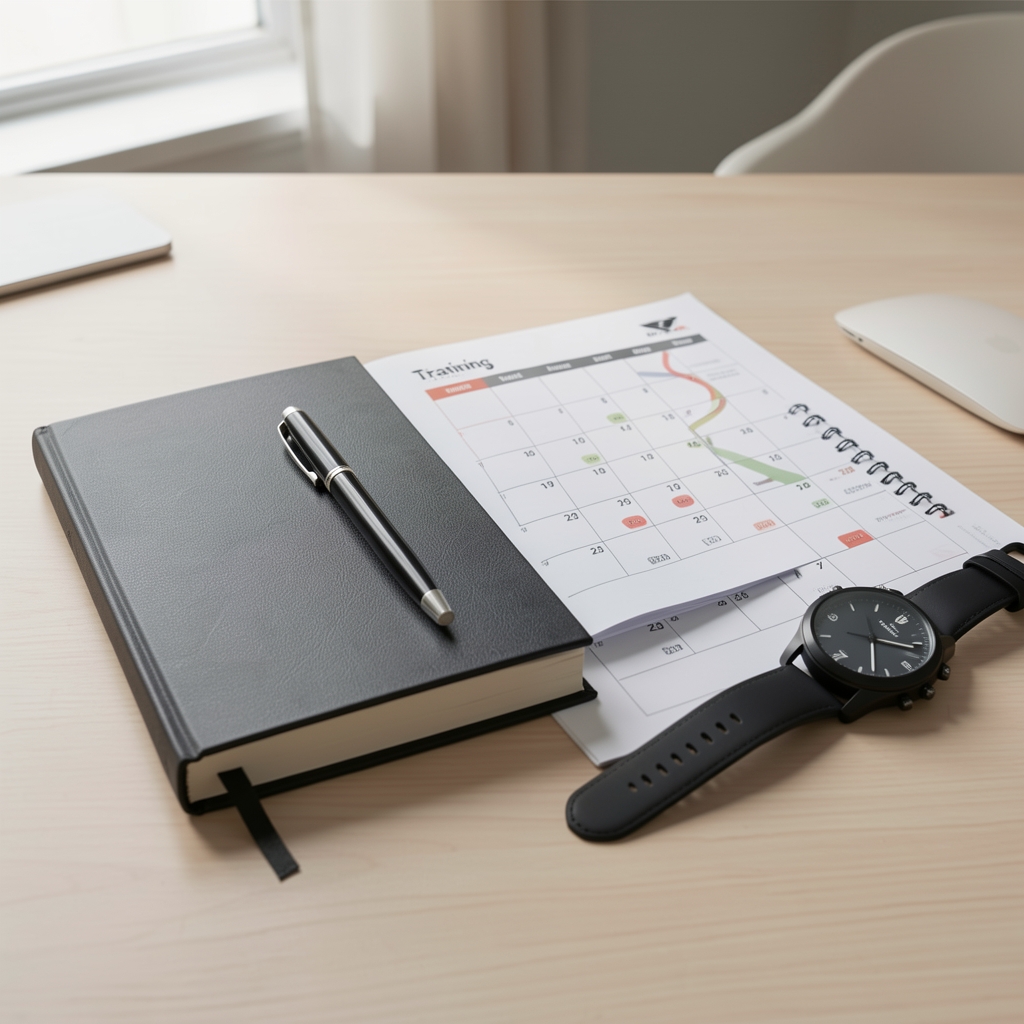
Open Palmus journal with pen, training calendar and sports watch on a clean desk
Library overview

The library at a glance

The table pairs each topic with the question it addresses, the format you can expect and a realistic reading time. Reading times are estimates for an unhurried first read.

TopicQuestion it addressesFormatReading timeWhere to read
Cardiovascular enduranceHow can steady aerobic work be planned and reviewed?Guide with effort-cue table9 minutesCardio guide
Endurance field notesWhat does repeatability tell a reader about a session?Field note7 minutesEndurance notes
Strength principlesHow are position, tempo and progression organized?Principles guide9 minutesStrength guide
MobilityWhich preparation movements relate to a given session?Practical guide8 minutesMobility guide
Recovery and readinessHow can fatigue signals be compared over several weeks?Explainer8 minutesRecovery guide
Sleep and trainingHow can sleep timing be observed without anxiety?Lifestyle guide7 minutesSleep guide
Program designHow can a week be organized around real capacity?Planning guide10 minutesProgram design
MethodologyHow does Palmus source, interpret and correct its work?Editorial note6 minutesMethodology
Editor annotating a printed sports physiology article with a pencil beside a laptop and coffee-free desk
How pieces are labelled

Four kinds of article, labelled clearly

A reader should know at a glance what kind of piece is in front of them. Every Palmus article carries a short label so that explanation, observation and opinion are not blended together.

  • Explainer: defines a concept, such as aerobic base or training load, and describes its limits.
  • Field note: a short, practical observation drawn from common training situations, written as a prompt for reflection.
  • Practical guide: offers a sequence of steps a reader can adapt, always alongside advice to consult a qualified professional where relevant.
  • Methodology note: describes how sources were chosen, interpreted and corrected.

Dates on each piece show the month of first publication, and any later change that affects interpretation is recorded at the foot of the page.

Editorial principles

Three lines that shape every article

“A reading from a watch or a lab is a prompt for better questions about training, not a verdict on the person wearing it.”
— Palmus editorial principle
“A population finding is a starting point for questions, not a prediction about one person.”
— Palmus editorial principle
“Where individual circumstances matter, the article points to a qualified professional.”
— Palmus editorial principle
Reading routine

A suggested way to read each piece

Articles are easier to apply when they are read with a pen in hand. The routine below is optional, but it keeps the reader focused on observation rather than on collecting more instructions.

  1. Read the opening summary and note the single question the article sets out to answer.
  2. Check the label and the publication date so you know whether you are reading an explanation, a field note or a practical guide.
  3. Underline any sentence that describes a limit or an uncertainty; these are often the most useful lines.
  4. Write one observation about your own routine that the article brings to mind, without changing the program yet.
  5. Return to the piece after a few sessions and compare your notes with what actually happened.
Common questions

Questions about the library

How often are articles added?

Palmus publishes on a seasonal calendar rather than daily. Series appear across the year, and existing guides are reviewed when new research or professional guidance changes how a topic is described.

Are articles written by medical professionals?

Articles are written by editors who work from attributed sources and, where appropriate, expert contributors. The content is educational and does not replace assessment by a physician or other qualified practitioner. See the editorial policy for details.

Can I suggest a topic or a correction?

Yes. Use the contact page to send a clear note. Material corrections are recorded on the article itself, as described in the methodology.

A note on health and training

Anyone with chest discomfort, unexplained breathlessness, dizziness or a known health condition should speak with a qualified health professional before starting or changing exercise. Palmus articles are general and informational. Read the full disclaimer for the limits of the content.