01 · Establish context
Describe your current activity, available time, previous experience and any constraints before choosing a direction.
Palmus is an editorial resource for men aged 35 and above who want to understand sports physiology, cardiovascular endurance and functional training without exaggerated promises. We connect research literacy with practical, measured routines.
Explore the learning path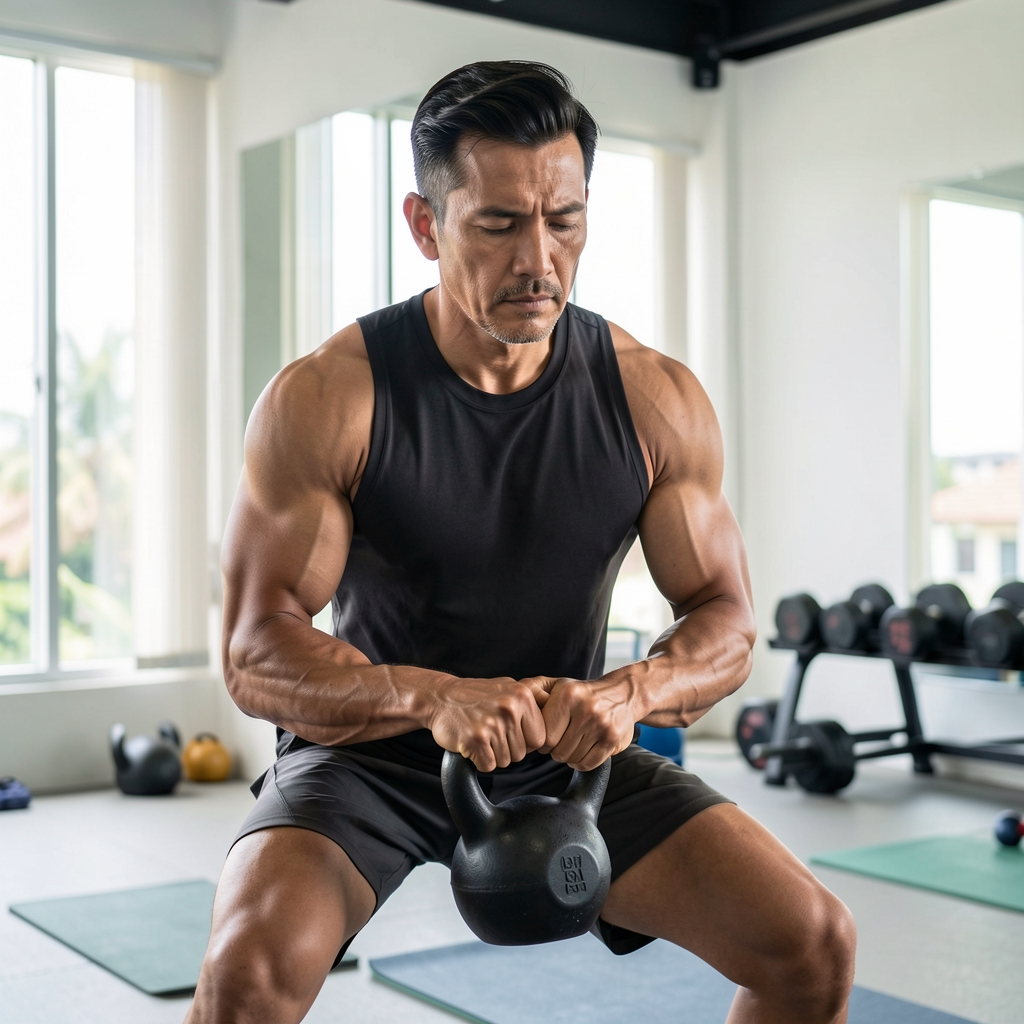
Use these jump-links to move directly to the part of the homepage that matches what you want to read next.

Wearables can show a pulse, pace or duration. They cannot decide whether a session fits your sleep, schedule, history or current capacity. Palmus helps readers ask better questions before changing a program.
That means separating education from diagnosis, distinguishing a useful trend from a noisy reading, and making room for qualified medical advice when symptoms or risk factors are present.
See our methodologyEach signal is useful, and each has limits. The table pairs what a measure usually describes with what it leaves out.
| Signal | What it usually describes | What it leaves out | Related guide |
|---|---|---|---|
| Resting heart rate | A daily baseline that can drift with fitness, stress, heat and sleep. | The reason for a single unusual morning. | Cardiovascular notes |
| Perceived exertion | How hard a session felt, on a simple 1–10 scale. | Objective workload and external pace. | Endurance field notes |
| Strength repetitions | Repeatable output at a known load and tempo. | Movement quality unless it is observed as well. | Strength principles |
| Sleep duration | The time available for overnight recovery. | Sleep quality, timing and daytime demands. | Sleep and training |
| Joint range of motion | How freely a position can be reached and controlled. | Strength within that range. | Mobility guide |
Describe your current activity, available time, previous experience and any constraints before choosing a direction.
Use a manageable measure such as weekly minutes, perceived effort or a repeatable movement pattern.
Compare how the body responds across several sessions, not just the most motivated day.
Change one meaningful variable, allow time to observe it, and record what actually happens.
Short definitions help the guides read more easily. The full list lives in the glossary.
An estimate of the highest rate at which the body can use oxygen during hard, sustained exercise. Field estimates and laboratory tests can differ.
The steady, lower-intensity capacity that supports longer sessions and repeated efforts across a training week.
A combined view of session duration, intensity and frequency, used to compare one week with another.
A range of beats per minute used to describe effort. Zones are estimates and are most useful when matched with perceived effort.
A gradual increase in a training demand, such as load, volume or complexity, introduced in measured steps.
The time between sessions in which fatigue settles and adaptation can take place, shaped by sleep, nutrition and stress.

12 February 2026 · Endurance
A practical look at conversational pace, repeatability and why low-intensity work can support higher-intensity goals.
Open the field note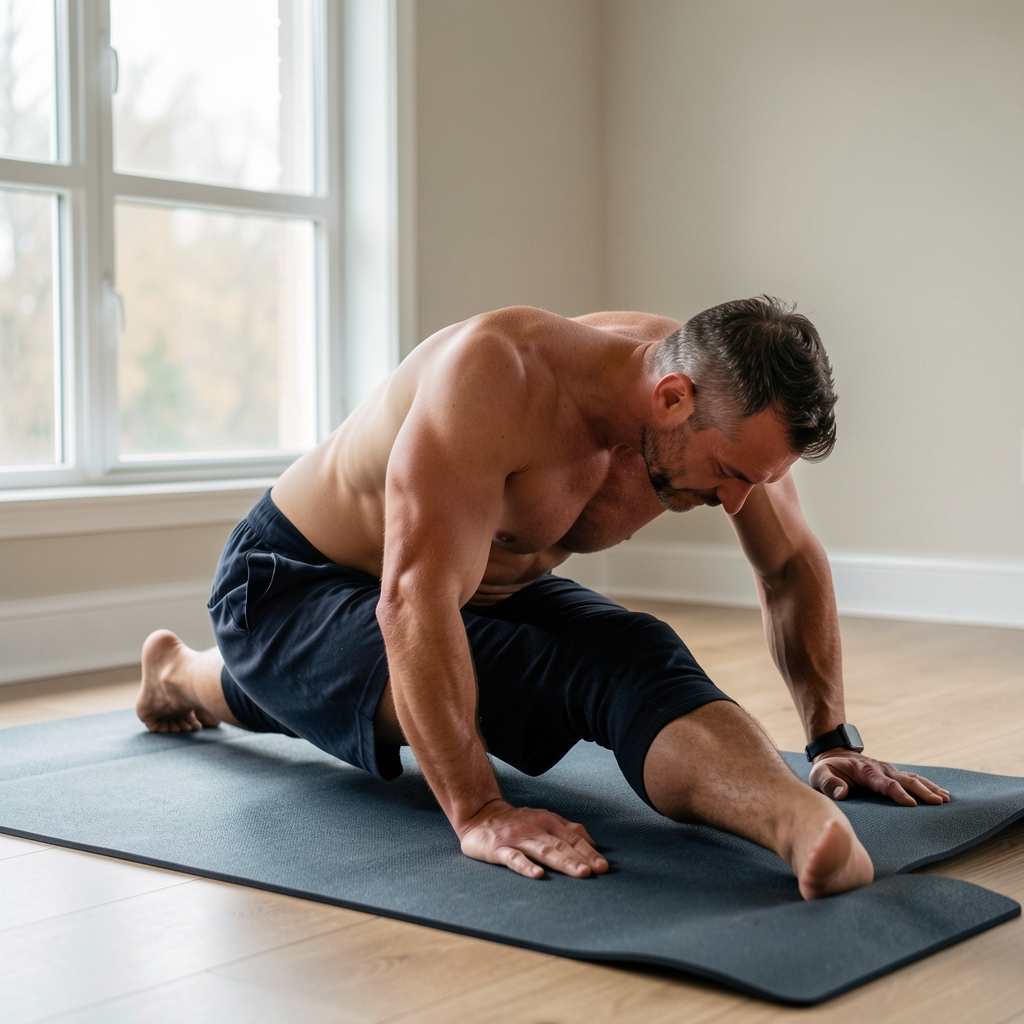
3 April 2026 · Mobility
How to choose small, relevant movement preparations that support the session in front of you.
Read the mobility guide
21 May 2026 · Recovery
Soreness, mood and sleep each carry information. This note shows how to compare them across weeks.
Review the recovery guide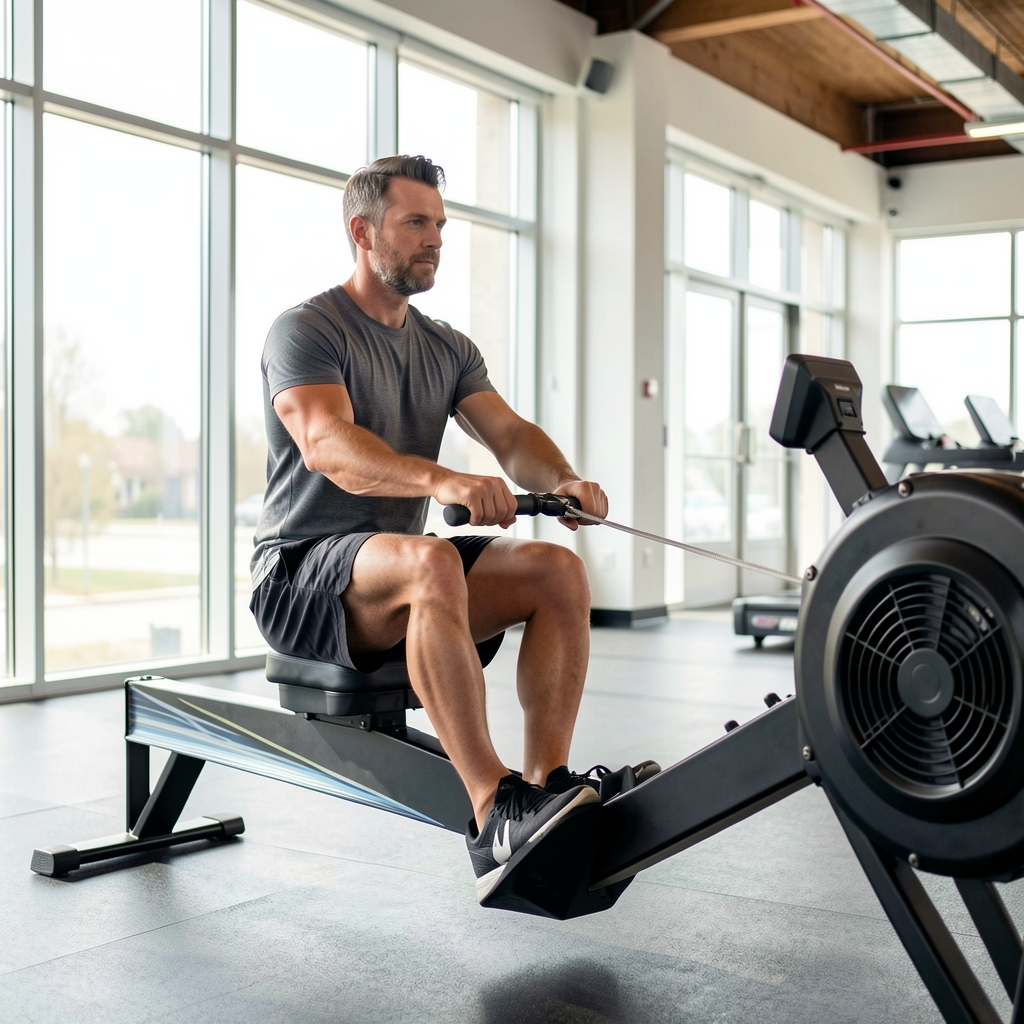
“Describe what a measure shows, and say plainly what it does not.”
— Palmus editorial principle
“Keep practical suggestions proportionate to the evidence behind them.”
— Palmus editorial principle
“Education supports a conversation with a qualified professional; it does not replace one.”
— Palmus editorial principle
A short list to review in your own time. The boxes are for your own tracking on this page and are not saved.
Open the full learning pathNo. It is educational editorial content and cannot replace assessment from a qualified professional. Read the disclaimer.
Begin with the glossary, then use the training and cardiovascular guides to build a working vocabulary.
We follow a transparent editorial process and label evidence, opinion and practical interpretation. View the editorial policy.
Yes. The contact page explains how to send a clear editorial suggestion. More answers are collected in the full FAQ.
Anyone with chest discomfort, unexplained breathlessness, dizziness or a known condition should speak with a qualified health professional before starting or changing exercise. Palmus content is general and informational. See our disclaimer for details.
Browse the library, take notes, and keep changes proportionate to the evidence and to your life.
Browse all articles